Independent thinking, problem solving and critical thinking – these are the top three reasons why employers say they employ PhD-qualified researchers.
In a recent study conducted at King’s College London by Drs Anna Favalessa and Lindsay Parker, (mainly STEM) employers who actively recruit and regularly hire PhD holders said their main reasons for targeting PhDs were not only because of their specific subject knowledge and skills, but equally because they possess a range of professional and transferable skills. Alongside independent thinking (in other words the ability to teach oneself), critical thinking and problem solving, other valued skills included communication and project management.
One employer said, “sometimes people underestimate the value of some of the interactions they have day to day, …. like communicating with your PI … communicating with other members of the lab, when you need equipment, when you need help … those are all important things that people tend to forget when they’re putting together a job application.”
This is great news for PhD researchers, who often say they feel unqualified or unequipped to go into industry and feel intimidated even to approach non-academic employers or make an application.
In a previous blog, I wrote about the importance of valuing transferable skills, but you need to recognise that you have them first! This means using your research and analytical skills on yourself, the researcher.
Don’t focus so much on your disciplinary knowledge and interests, think about how you’re doing your research and everything connected to it.
For example, ask yourself, why am I using this experimental design or this analytical method? Did I find out by critically examining the literature, listening to a talk at a conference, discussions with my supervisor, teaching myself the technique, learning from my experience, analysing the results and deciding on the next steps toward discovery and new findings? Did I need to negotiate for equipment, collaborate with others, make a presentation, carefully and precisely conduct the practical work? And so on ….
Self-analysis is not easy nor is translating your academic-related skills into ‘industry-speak’. You can get help from AI nowadays (but use with caution) and also through self-analysis assessments, such as Science’s MYIDP. For those of you who have access to institutional career support, I would recommend attending workshops, as well as seeking individual career guidance or coaching from a professional careers adviser.
On a less positive note, the surveyed employers also identified the challenges of employing PhD holders: their lack of industry awareness, their communication style and their ability to adapt to a fast-paced working environment.

This, however, was not seen as an impenetrable barrier and they offered advice to PhDs about how they can overcome these challenges:
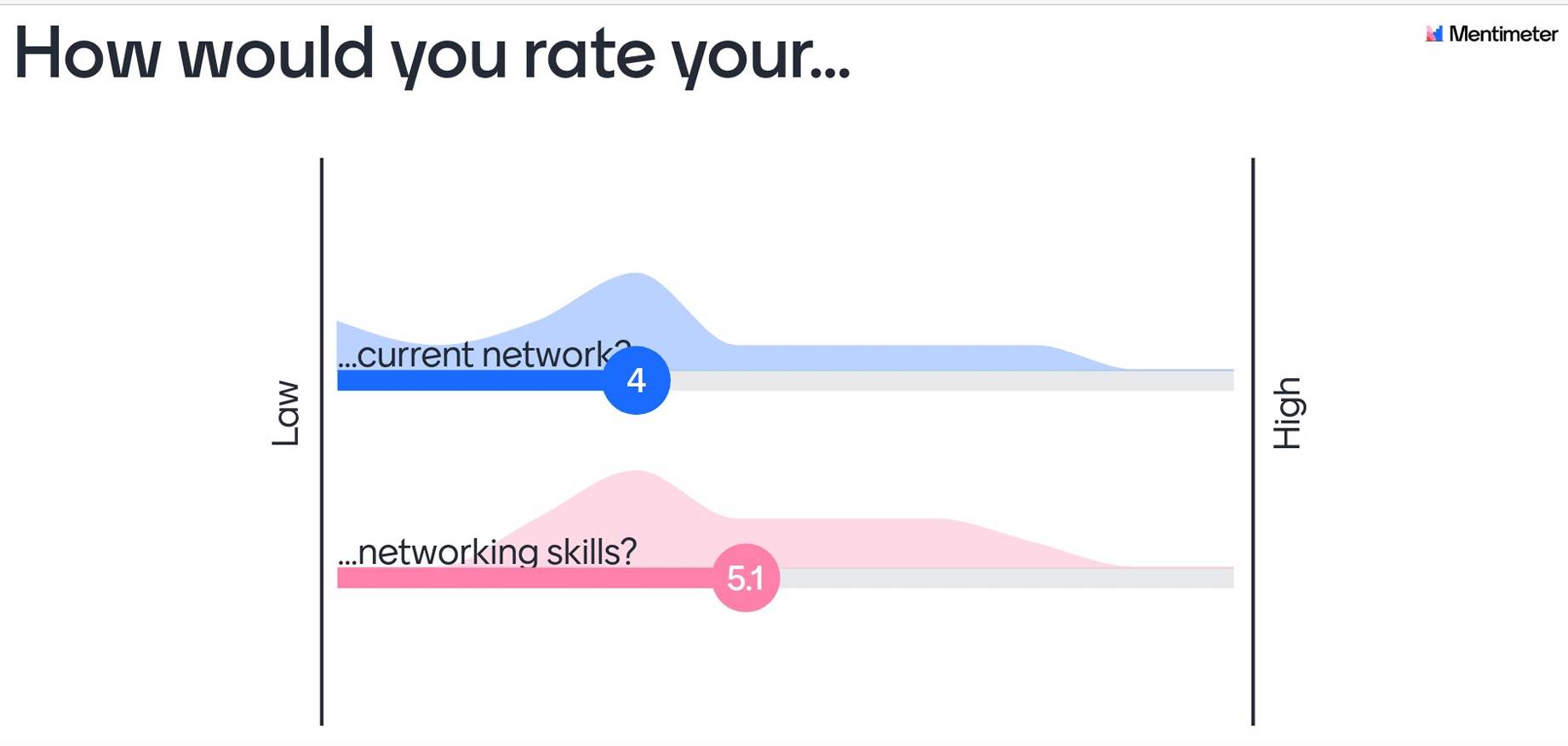
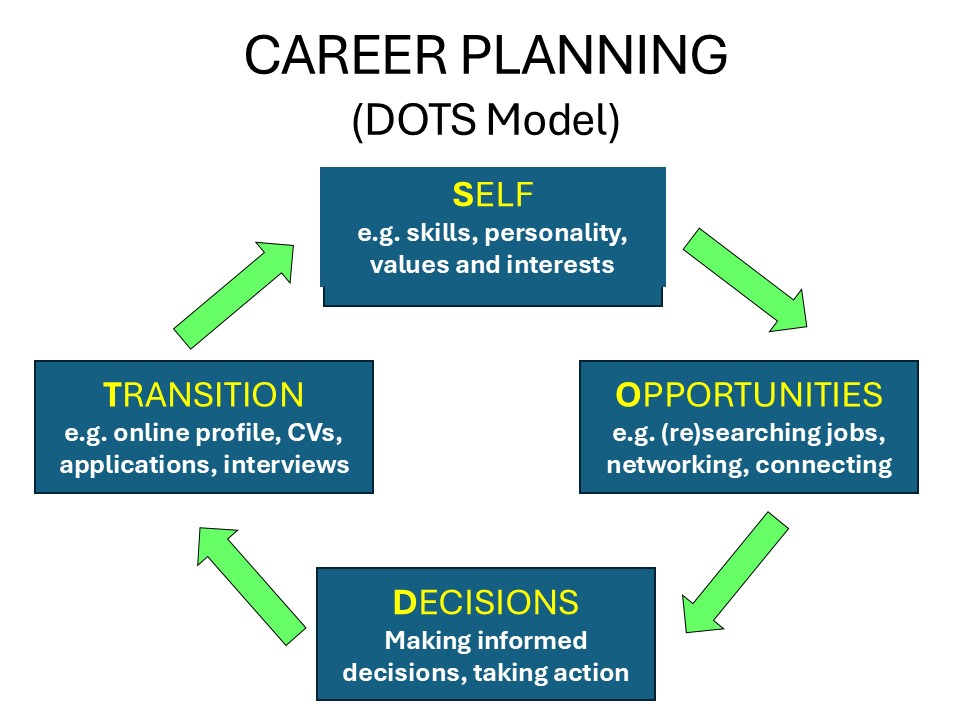
- Apply your research skills to your job search strategy, by investigating employers’ websites, social media presence and any other sources of information you can find. Networking and connecting, contacting professionals to find out more will add a more personal touch to your research – and, you never know, someone might offer you an unexpected opportunity.
- Read widely about the world in general – what’s going on politically, financially, socially, etc. so that you have a broader view and context in which to situate yourself.
- Get involved in teaching or outreach in order to practice communicating with non-specialist audiences. When you work in industry and business, you will have to talk with a wide range of people, who need to be able to understand what you’re saying!
- Take an interest in activities going on around the department/institution/ conferences etc. will give you the opportunity to work in a team, cooperate with others towards a goal, such as organising a seminar series of conference. This will help you to demonstrate your people/communication skills more overtly and, as a bonus, these types of activities are usually fun 😊
So, the take-home message from this survey of employers, which included those employing in roles such as research and development, data science and analytics, consultancy/advisory, stakeholder management, technical/engineering and public engagement, was:
Be optimistic about your chances to succeed in achieving a job in industry/business and value all the peripheral, non-specific skills you’ve been developing ever since you started your PhD!
Related blogs: The skilled researcher
Career development: Intentional vs incidental